An MIT ME capstone: a compact aisle wheelchair that gently slides paraplegic flyers from their chair into an airplane seat — eliminating uncomfortable lifting.
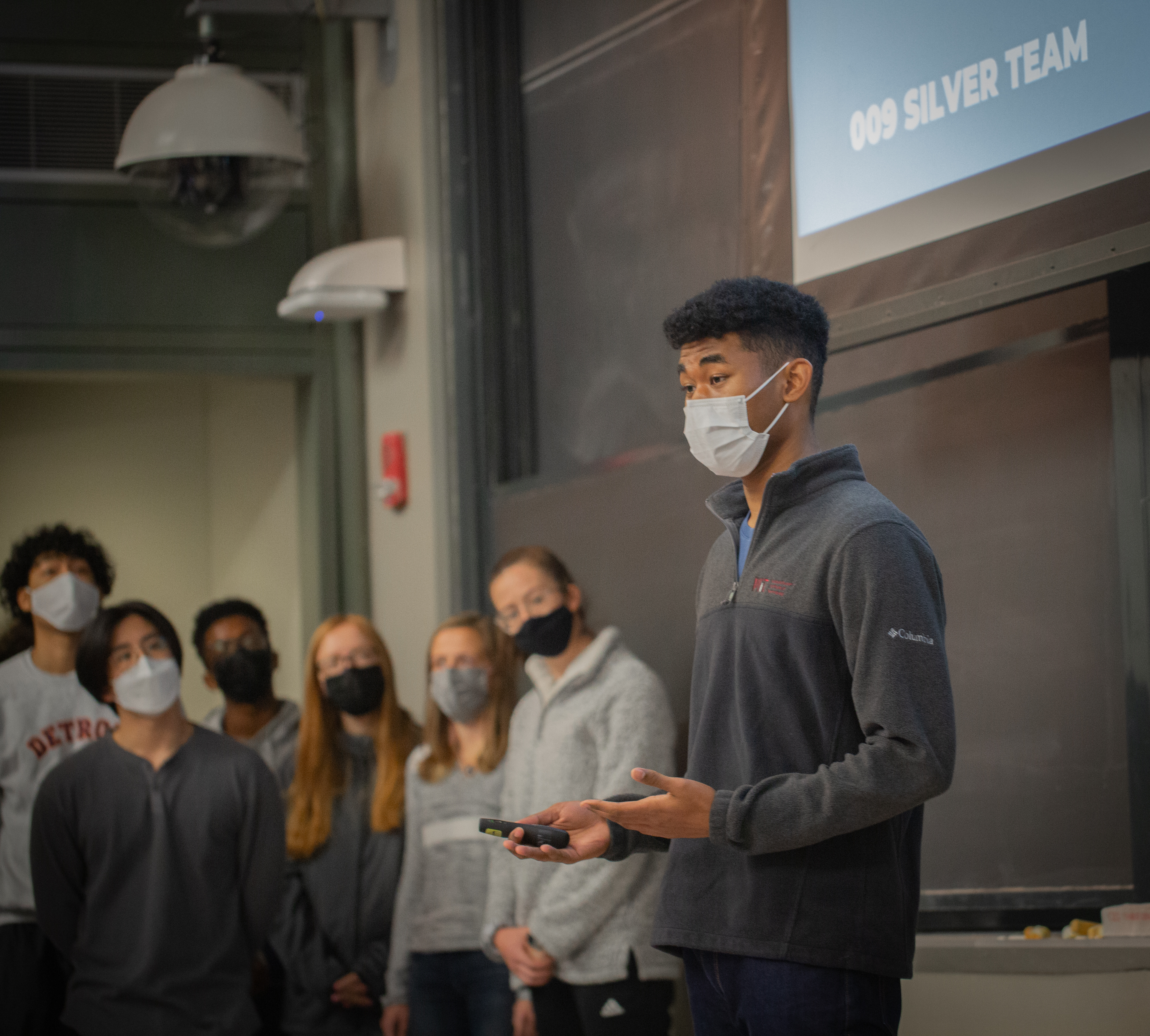
Objective. In 2.009, MIT's Mechanical Engineering capstone, teams of ~20 students work in Pappalardo Lab to develop and present a marketable product. Over a semester, students run the full product-development process — ideation, market research, modeling, and building a quality alpha prototype — culminating in a broadcast product demonstration.
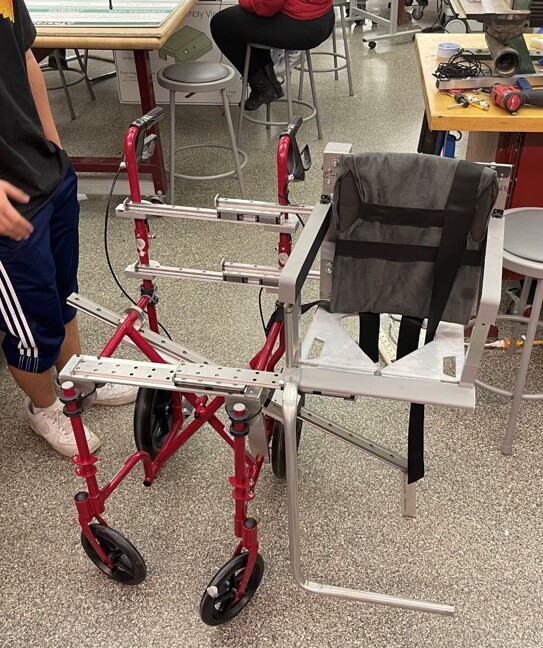
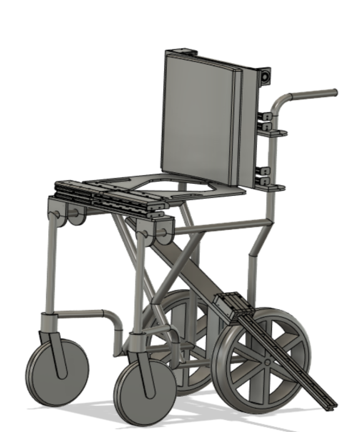
Solution. My team (Silver) designed and manufactured Aisle Assist, a compact aisle wheelchair that eliminates the uncomfortable lifting of paraplegic flyers from their wheelchair to their airplane seat. It uses removable, height-adjustable seat panels and a backrest on linear rails to gently slide and deposit users onto their aisle seat.
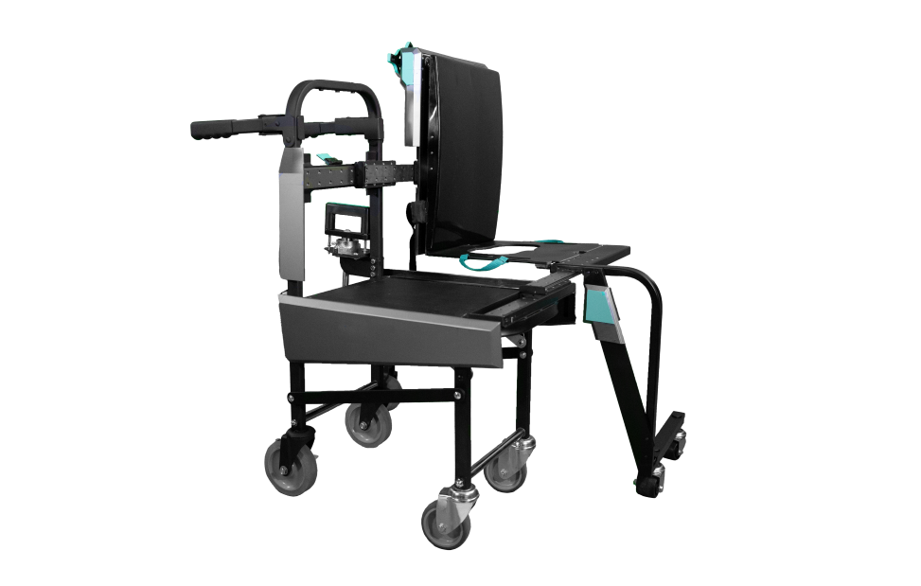
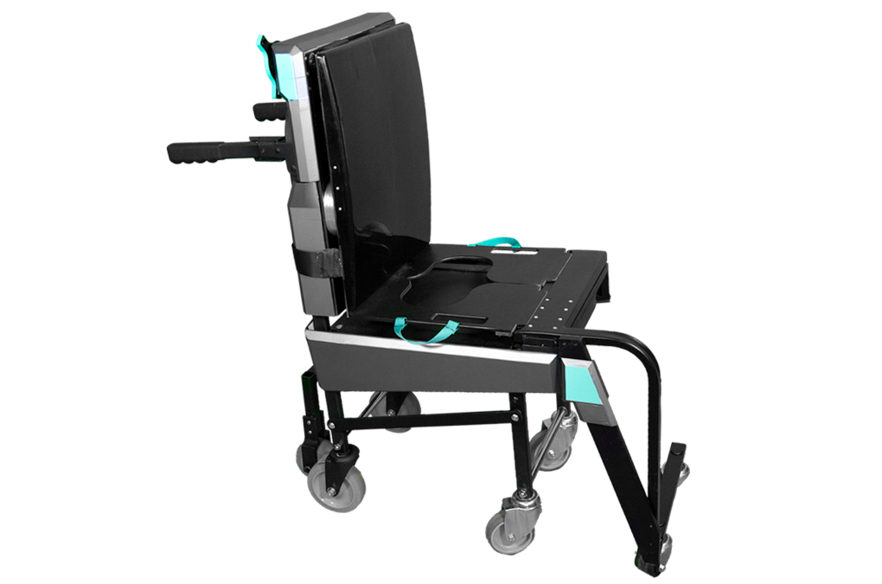
Aisle Assist is rated for the 99th-percentile male (350 lb) with a 2× safety factor, and is sized to pass airline regulations and the narrow constraints of airline aisles.
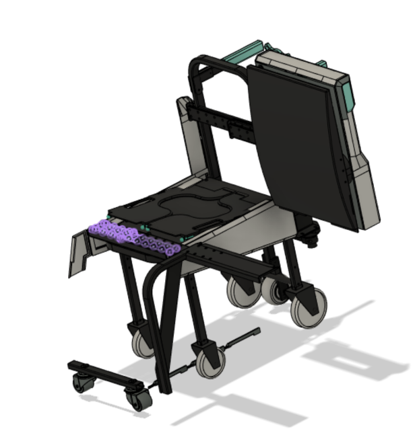
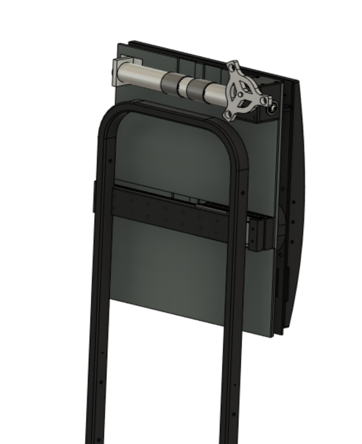
The chair lifts the seat above the plane seat, slides the user over, and retracts the backrest and seat panels once the user is comfortable. Linear rails and carriages enable the sliding action while a winch behind the seat raises the panels. With a 10:1 gear ratio and a non-backdrivable winch, the lifting mechanism is safe and needs only ~10 lb of force from the flight attendant. A deployable stabilization leg prevents tipping during the transfer.
My responsibilities included selecting linear rails for our load conditions. Because the system is essentially cantilevered, I ran the loading and bending calculations to prevent deflection and other beam-failure modes. As part of the backrest assembly, I designed and machined key structural components on the mill, lathe, and waterjet. I presented in our technical review, contributed to other deliverables, and — as the team's financial officer — managed finances, tracked expenses, and placed part orders.
Various prototypes & back-winch assembly: