A semester of power-electronics labs — buck/boost drives, a resonant lamp ballast, a three-phase inverter, and a closed-loop bidirectional motor drive.
Objective. In MIT's 6.131, students design and build power-electronic circuits through a series of labs: drive circuitry for an electric go-cart, flash strobes, computer power supplies, three-phase inverters for AC motors, and resonant drives for lamp ballasts. The semester ends with a self-directed final project.
36 V Go-Cart Drive Circuitry
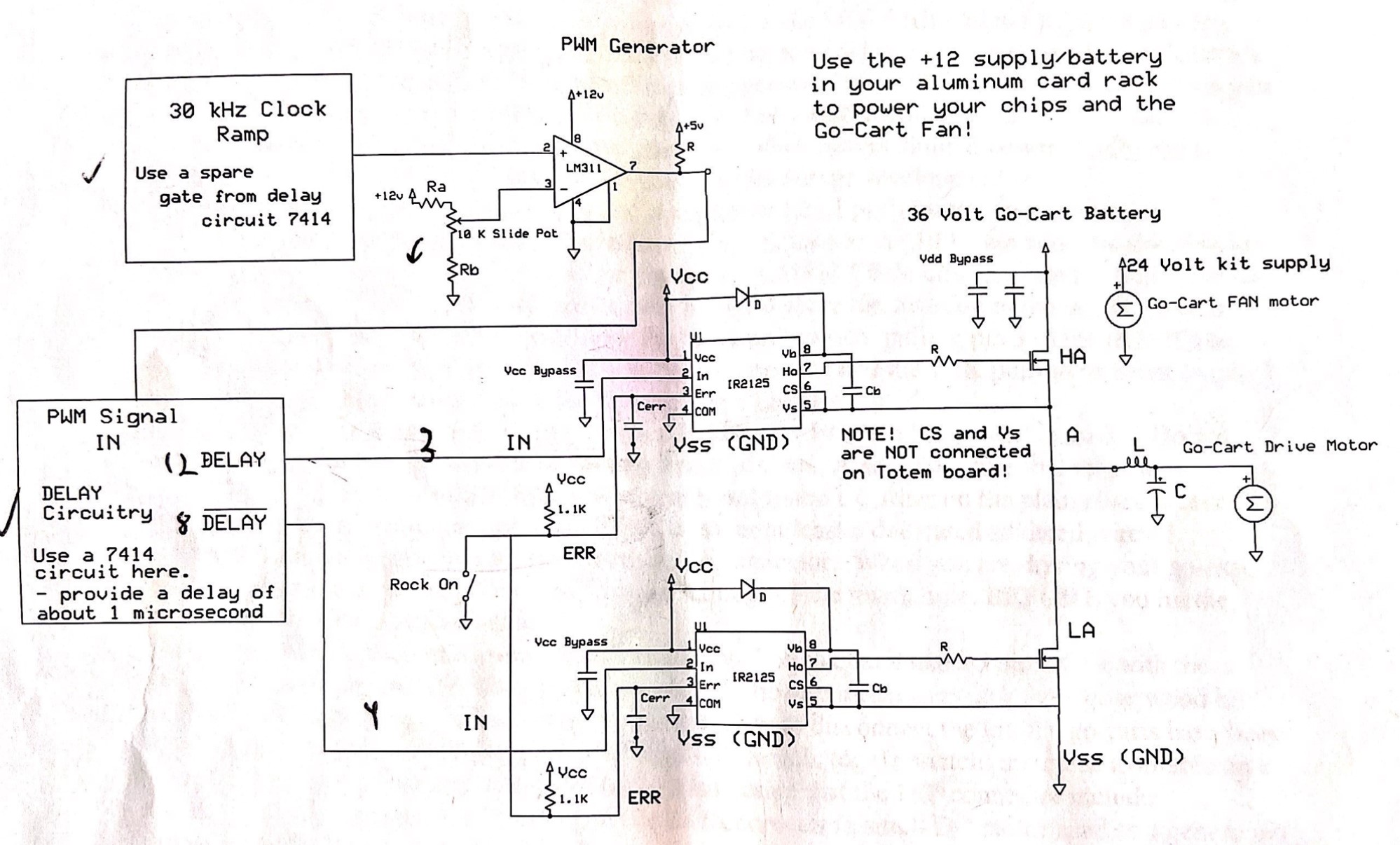
Wired a buck-converter drive for the go-cart DC drive motor. The MOSFET drivers run on 30 kHz alternating-delay signals, and an LC low-pass filter smooths the input to the motor.
Fluorescent Lamp Ballast
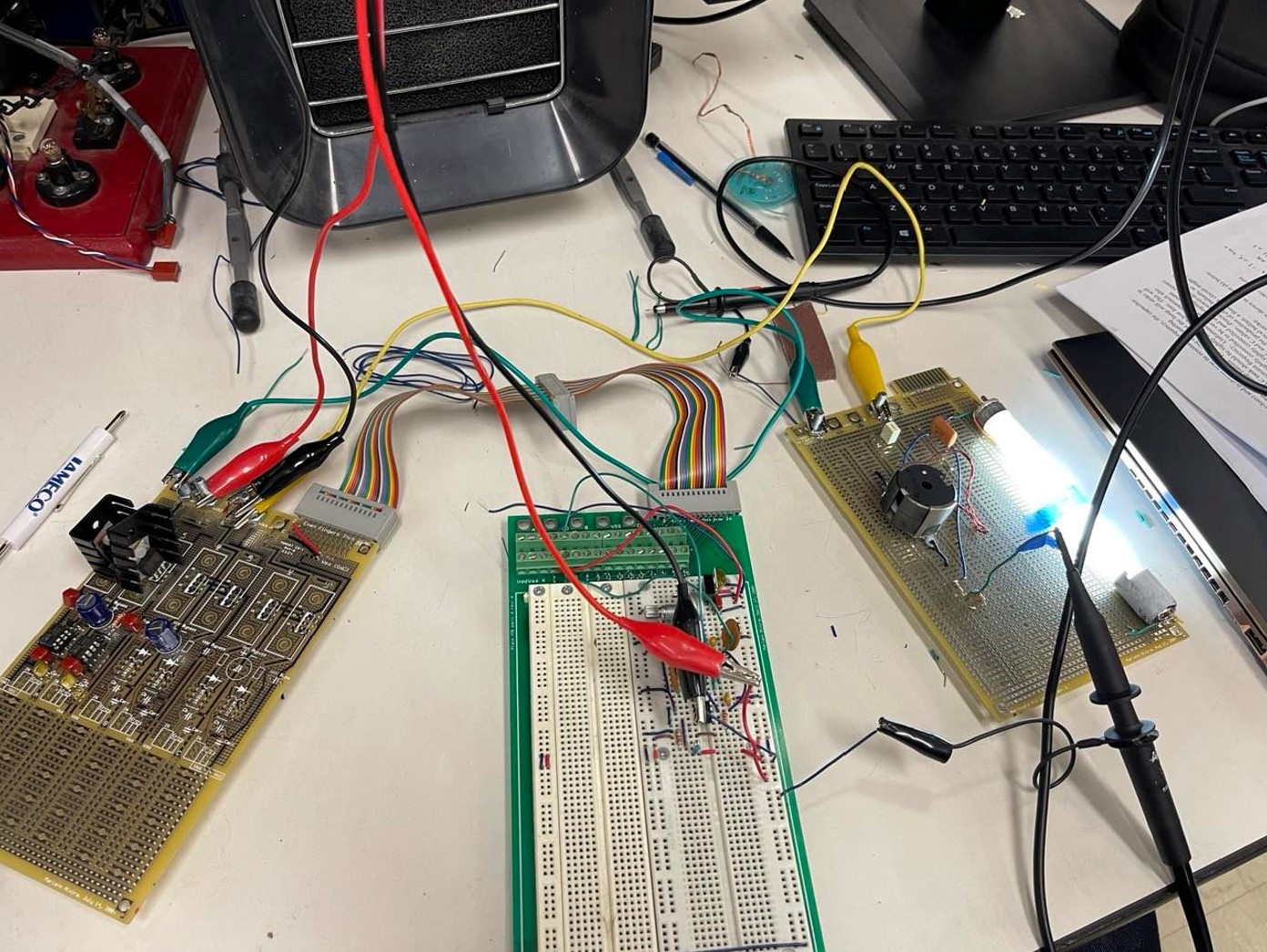
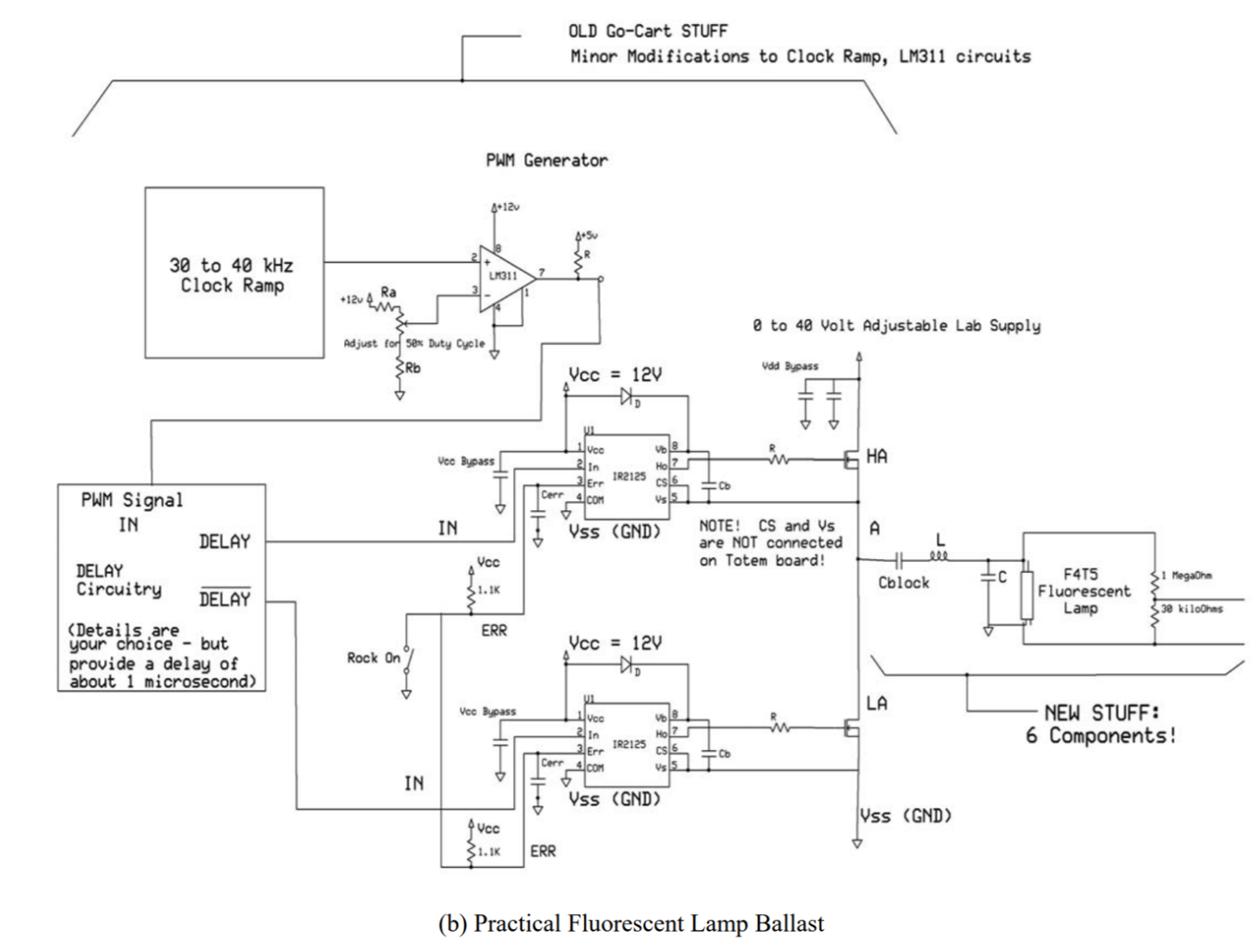
Constructed a resonant converter for a fluorescent lamp ballast, striking the lamp at a resonant frequency between 30–40 kHz.
200 V DC Power Supply
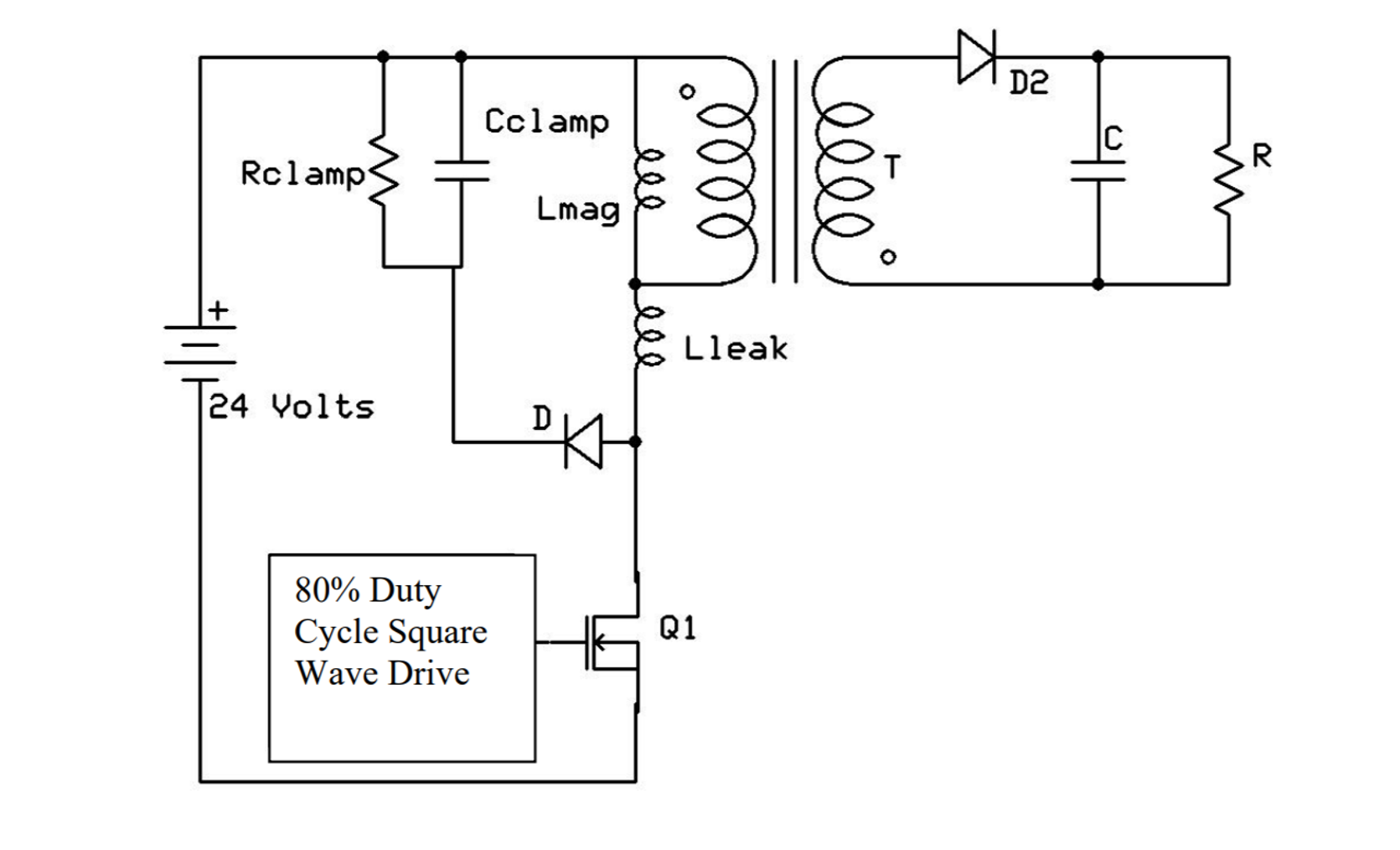
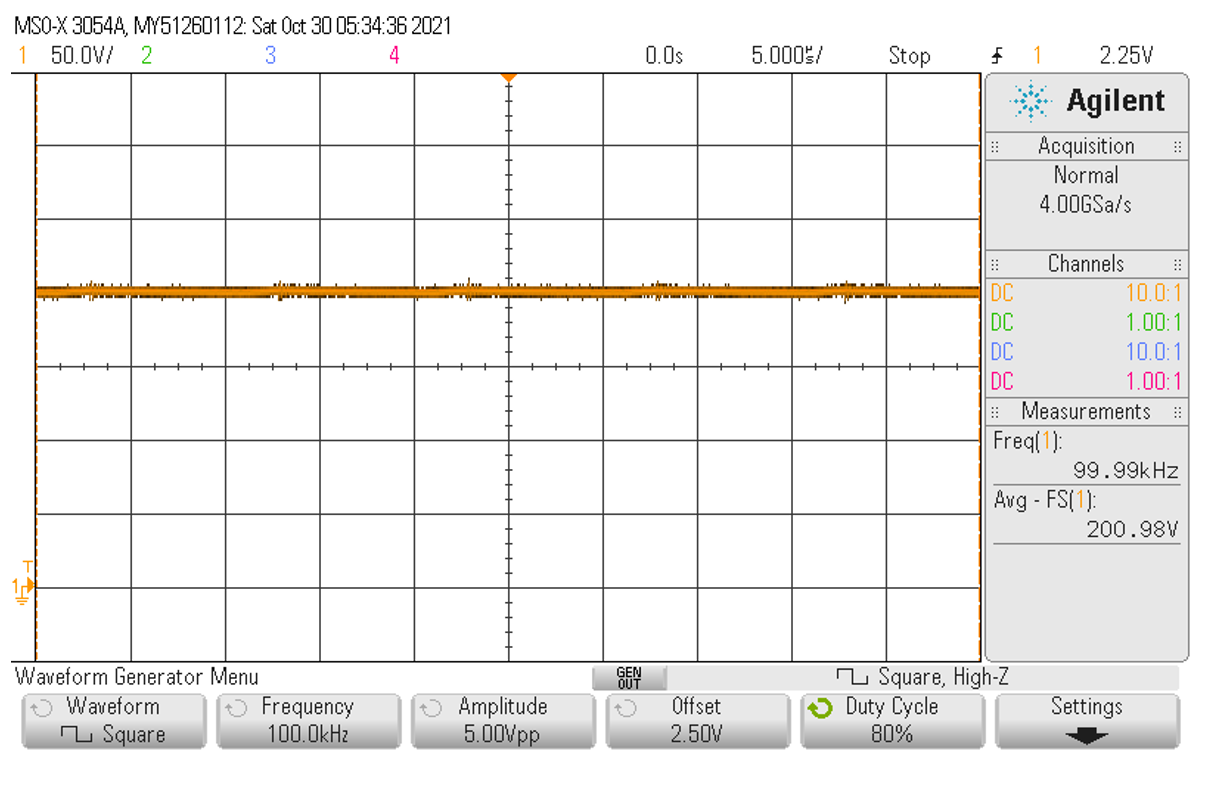
Built a 200 V DC power supply with transformer and clamp, operating in continuous-conduction mode with a nominal clamp-capacitor voltage of 120 V.
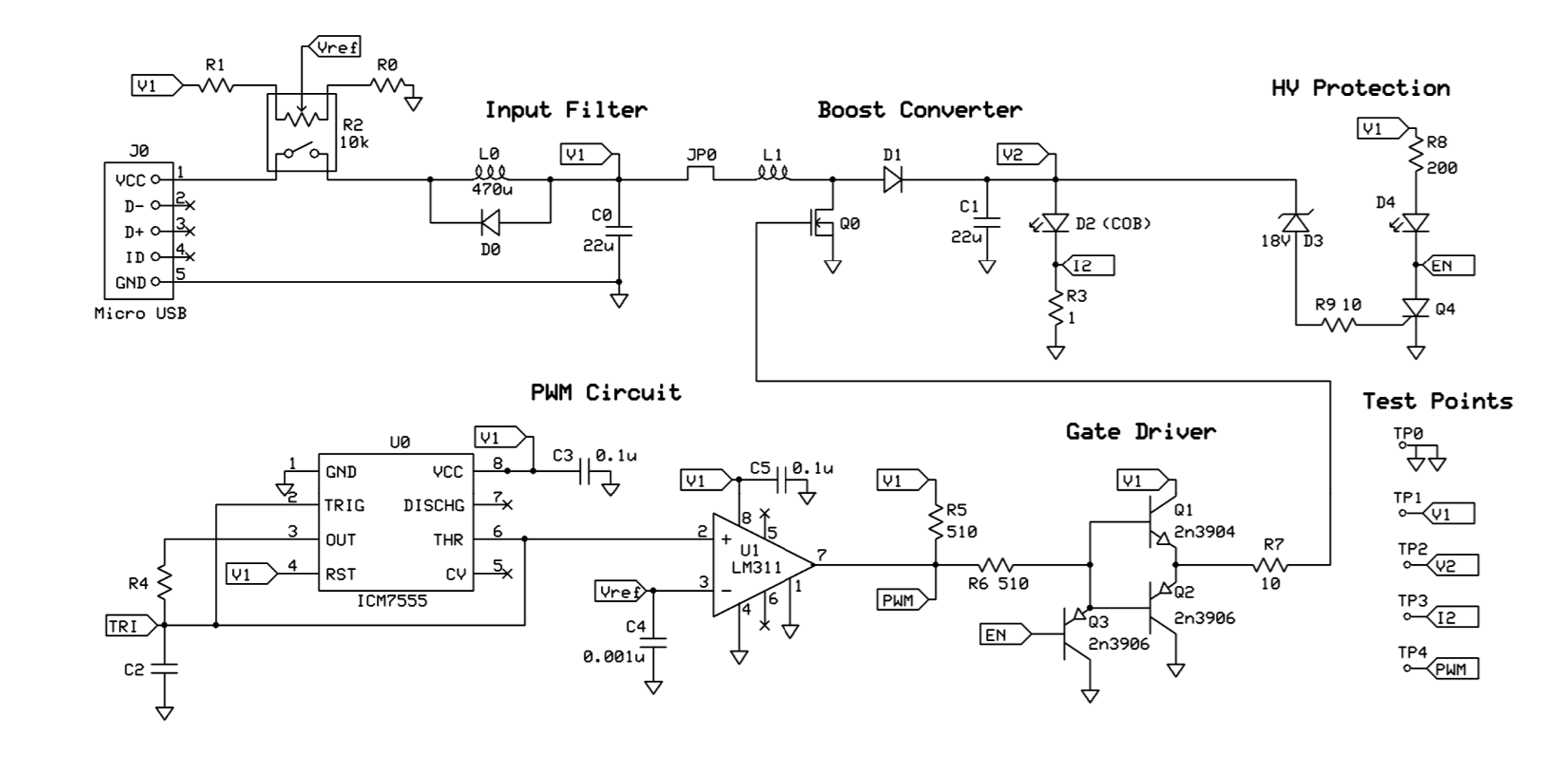
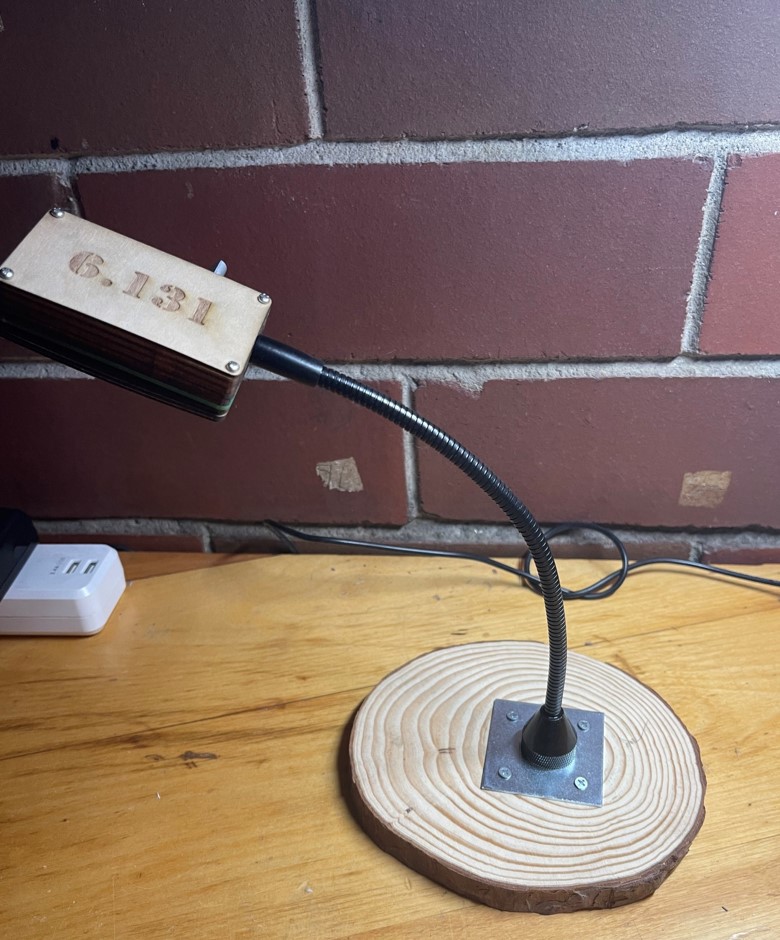
DCM Boost LED Driver / Desk Lamp
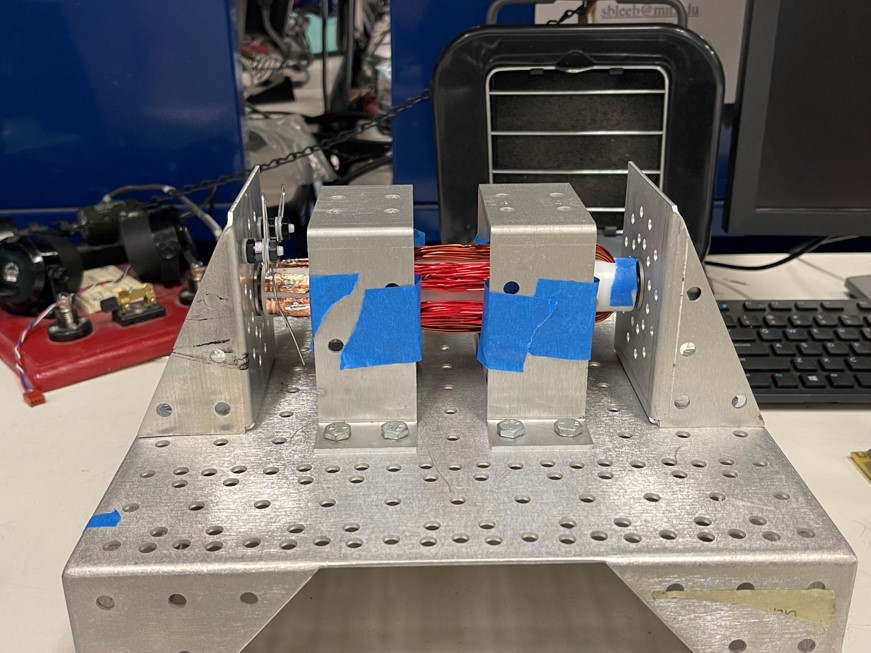
Brushed DC Motor Build
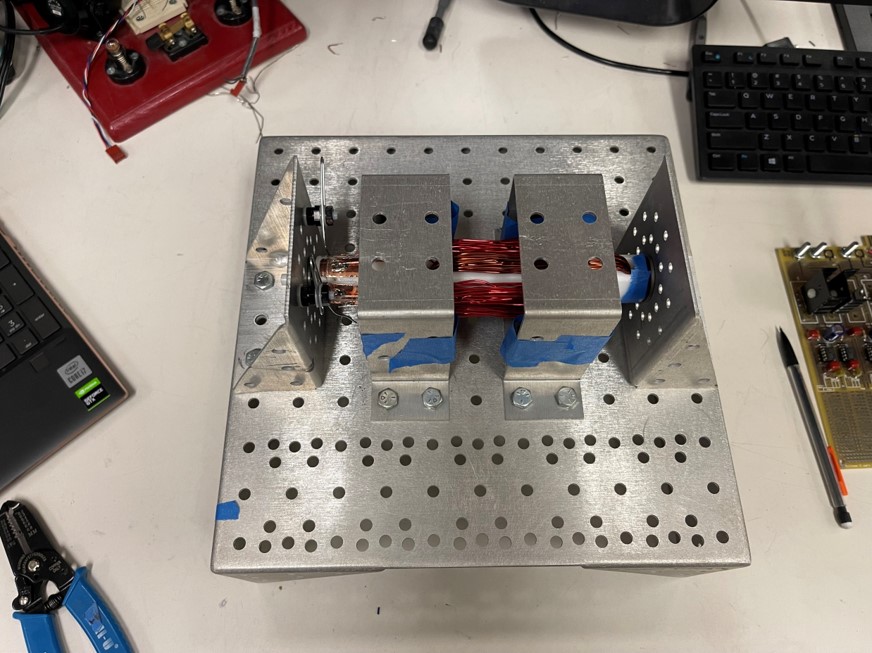
Three-Phase Inverter & Induction Motor
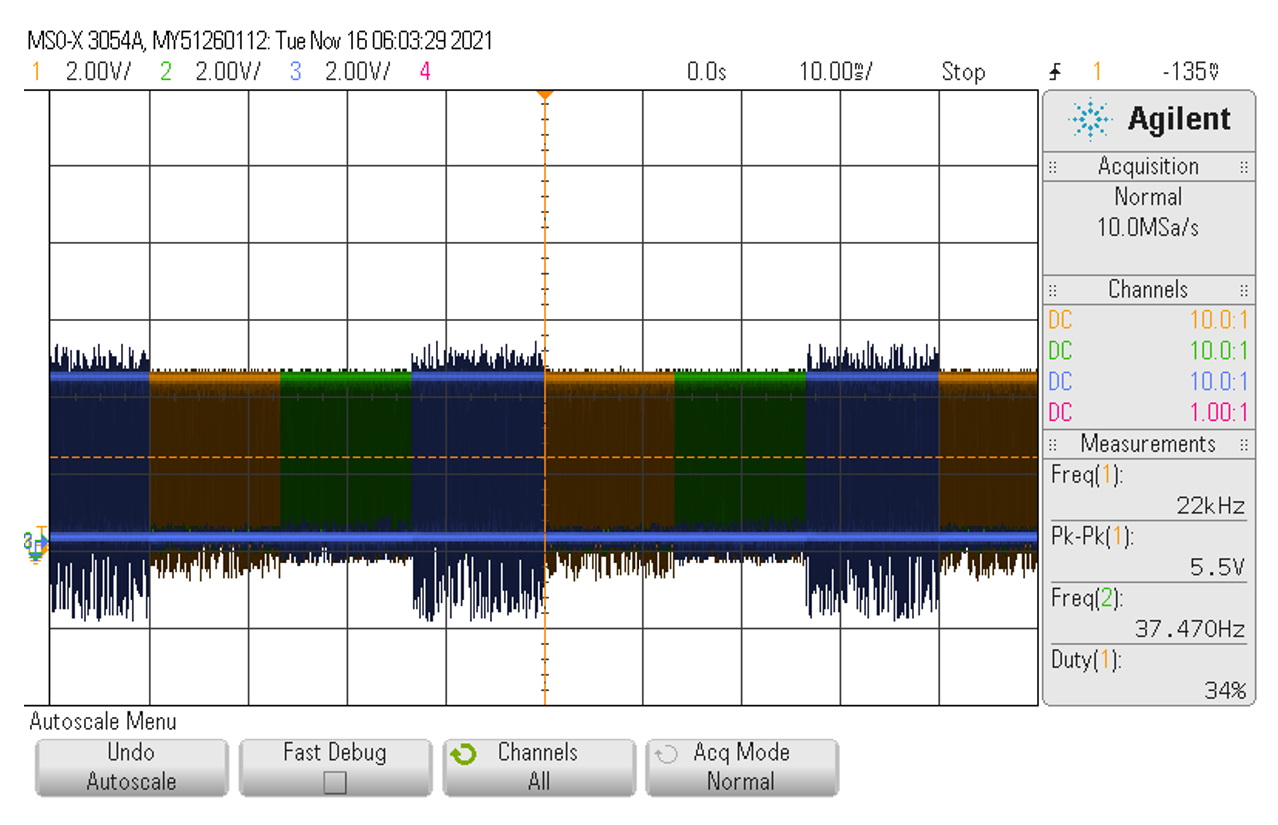
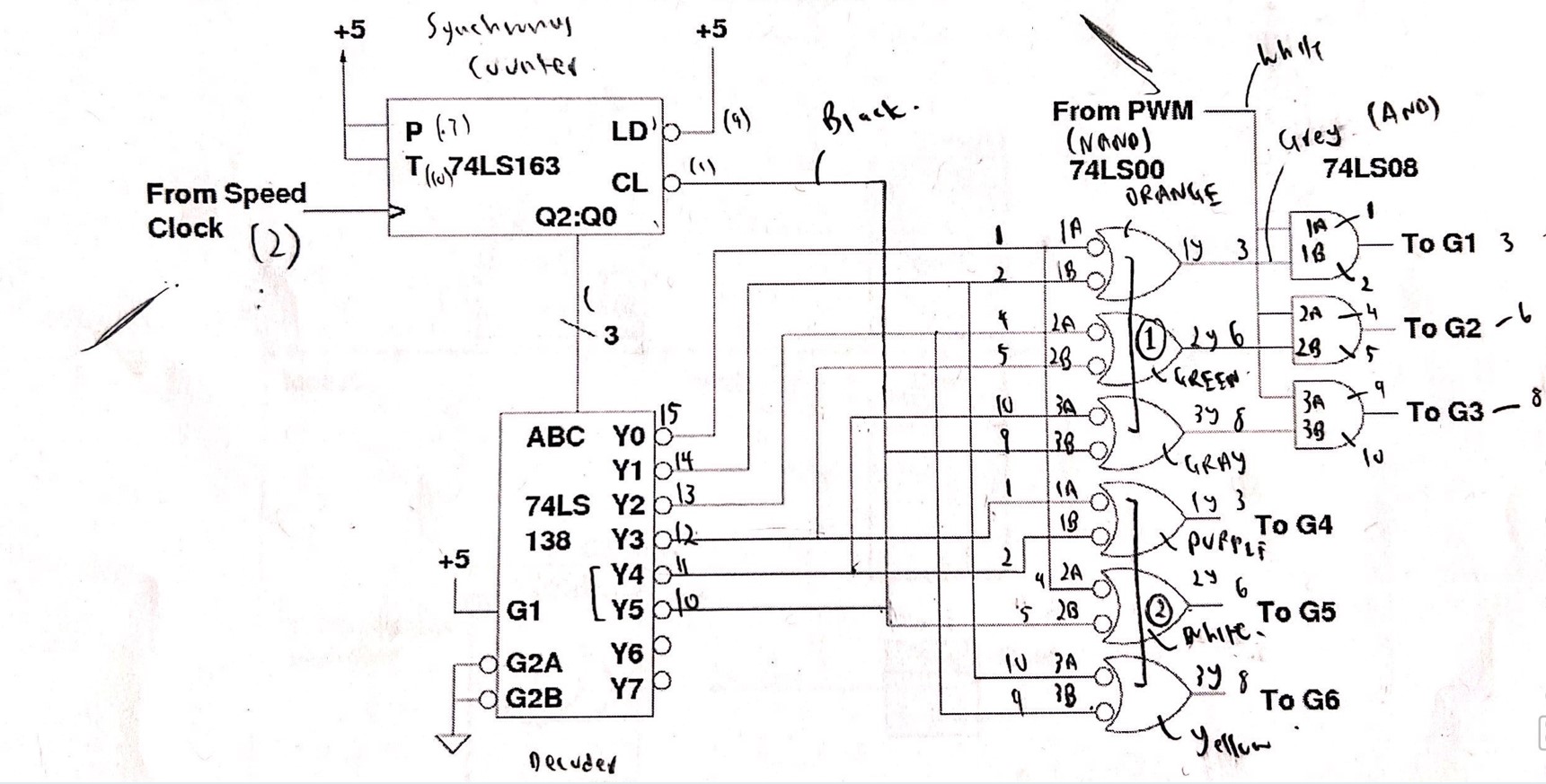
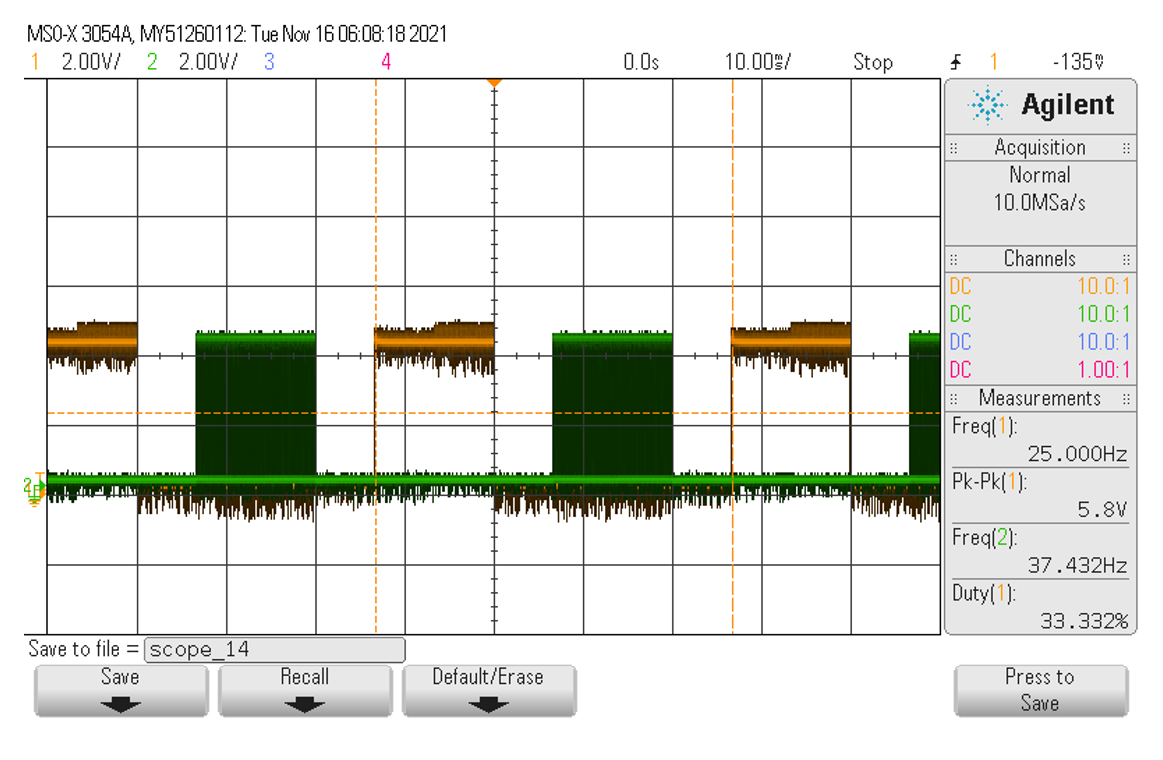
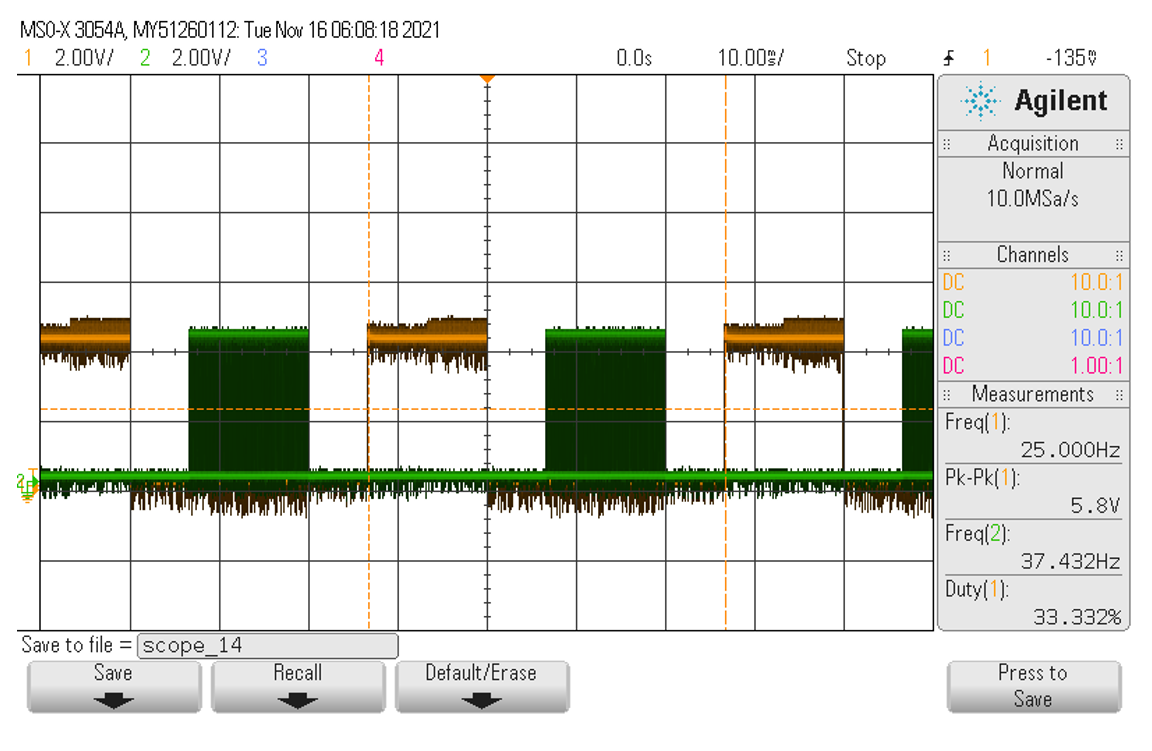
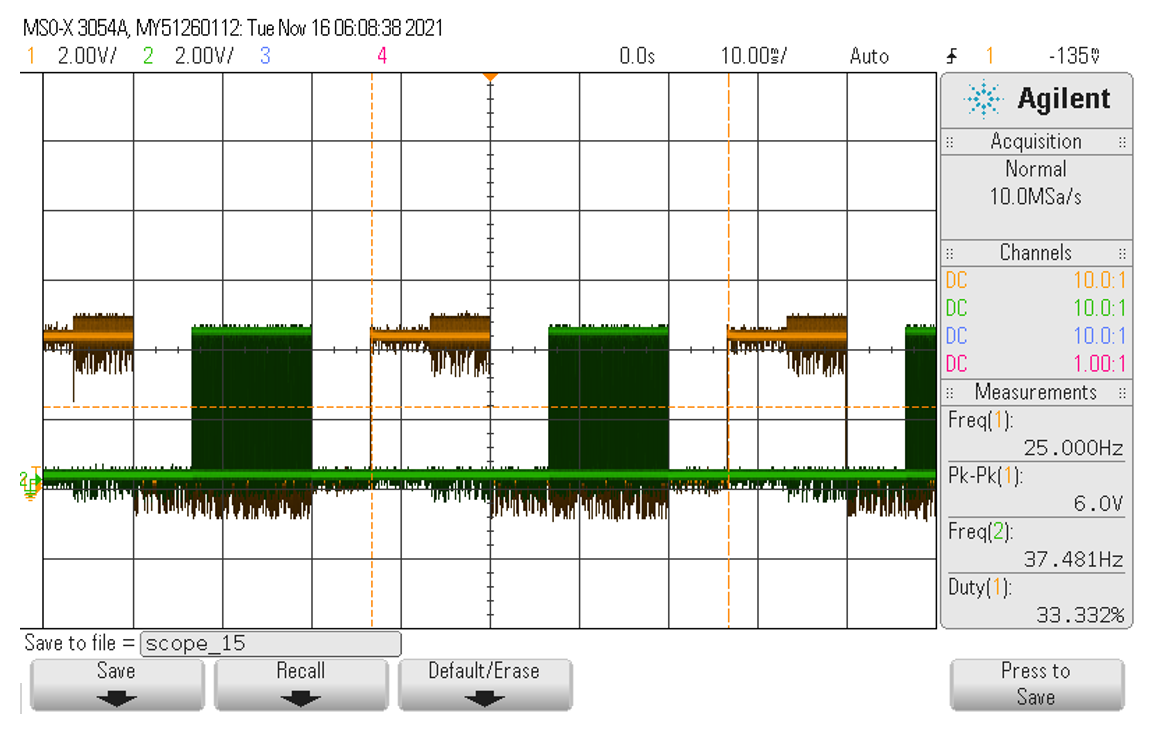
A finite-state-machine drive for a three-phase bridge induction-motor drive, driven by a 21 kHz PWM oscillator with variable duty cycle.
Bi-Directional Motor Controller (Final Project)
For my final project I spent the last four weeks implementing bidirectional motor control with a feedback loop for cruise control: the circuit spins the motor in both directions and, once a button is pressed, holds its current speed constant even under load. I built an H-bridge with PWM motor control and an adjustable duty cycle, then used an ADC/DAC as a sample-and-hold to record the motor's back-EMF when the button is pressed. Using that as the reference voltage, I designed a Type-II compensator with the gains needed to automatically ramp up the duty cycle as required.